
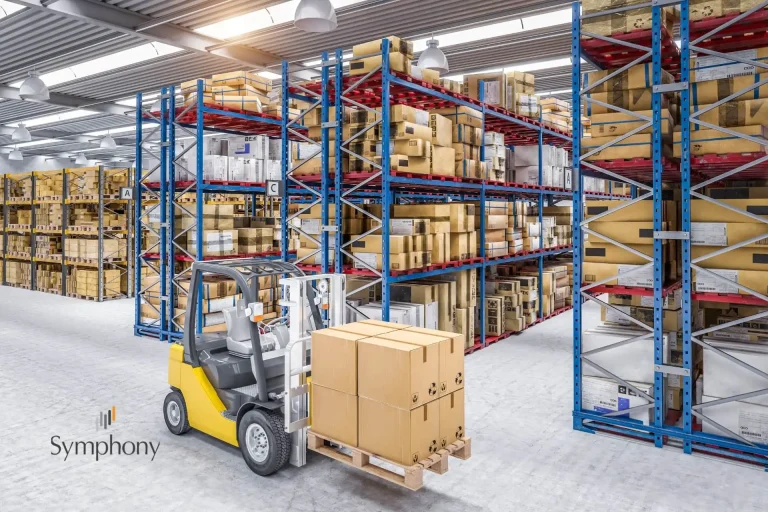
Batch picking is a warehousing technique in which a picker retrieves items for multiple orders during a single trip through the warehouse. This method groups several orders together, allowing the picker to collect all required items at once, rather than making separate trips for each order.
Warehouse operations constantly seek ways to boost efficiencies and reduce labor costs. A key area for improvement is the picking process, which directly impacts how quickly products reach customers. Batch picking is a proven method to increase warehouse order picking speed and accuracy.
This approach significantly boosts order-picking speed and improves accuracy, leading to faster order fulfillment and reduced operational costs. It is a common picking method that helps centralize warehouse operations, allowing employees to complete the same task in bulk and travel a shorter distance.
The batch picking process streamlines the fulfillment workflow by reducing trips and saving time. It is handy in busy warehouses handling multiple orders with duplicate SKUs (stock-keeping units) or similar products.
Here is a step-by-step guide to how fulfillment batching works:
The batch picking process starts by grouping multiple orders. This grouping is based on shared products or the proximity of those products within the warehouse layout. For example, if several orders include the same item, they can be grouped into a single batch.
After grouping, a picking list is generated. This list details all the SKUs, quantities, and storage locations needed for all the individual items in the batch. This consolidated pick list guides the picker on where to go and what to pick for all the orders in the batch. Warehouse Management Systems (WMS) or order management systems (OMS) often automate the creation of these Pick lists, optimizing the pick route for the single picker.
The picker travels through the warehouse once, following the optimized pick path to collect all products for the entire batch. This reduces picker travel time and the need to repeatedly visit the exact pick location for different orders.
After all items for the batch are collected, they are brought to a designated packing station or sorting area. Here, the picked items are sorted into their respective individual orders. This step ensures that the correct quantities for customers are prepared, avoiding wrong products and reducing error rates.
Once sorted and checked, each order is prepared for packing and shipping. The packing team ensures each order is correctly packaged and ready to meet shipping deadlines, contributing to faster order processing and overall customer satisfaction.
Understanding batch picking involves seeing how it stands against other standard order picking methods. Each picking method offers distinct advantages depending on the warehouse layout, product ranges, and order characteristics. Choosing the right approach, or a combination, is key to achieving operational efficiencies and reducing labor costs.
Here is how batch picking compares to other strategies:
Implementing batch picking offers significant advantages for warehouse operations. This picking method addresses common inefficiencies, leading to a more streamlined and cost-effective fulfillment process. The benefits extend across various aspects of warehouse management.
Here are the primary advantages:
Batch picking allows pickers to collect products for multiple orders in one trip. This approach drastically increases the pick rate and overall productivity of warehouse workers. This means that more orders move through the fulfillment process in less time.
One of the biggest drains on warehouse efficiencies is excessive picker travel time. By consolidating several orders into one pick route, batch picking minimizes the distance pickers must cover. Less travel directly translates to more time spent actively picking individual items.
A well-implemented batch picking process can improve accuracy. When pickers focus on a consolidated picking list, the likelihood of selecting the wrong products decreases. Clear organization and systematic sorting at the packing station further reduce error rates.
The combined effect of increased productivity, reduced travel time, and fewer errors directly impacts labor costs. Batch picking allows labor resources to be used more effectively, leading to substantial savings in warehouse operations. It optimizes the use of manual labor within the facility.
While batch picking offers many advantages, it also presents specific challenges that warehouse management must address for successful operation. Understanding these potential hurdles helps in planning and implementing effective strategies.
Grouping orders with a wide range of products can complicate the batching process. If a batch contains too many unique individual items spread across the warehouse, the efficiency gains from reduced travel time might lessen. This requires careful consideration of the product’s nature and inventory control.
Experienced pickers need proper training to effectively manage multiple orders within a single batch. The sorting process at the packing station requires attention to detail to ensure products are assigned to the correct customer orders. This training ensures warehouse workers can handle the increased complexity of multi-order picking.
To truly gain from batch picking, warehouses must implement and continually optimize the process. This involves strategic planning, the right technologies, and ongoing adjustments.
Batch picking is often advantageous for fast-paced retail or distribution centers with a high volume of orders. It works well when orders frequently share everyday products or when moderate and low-turnover products need efficient handling. It is a preferred picking method for E-Commerce Fulfillment where rapid order processing is critical.
Evaluate your warehouse processes and order profiles. Understand your current inventory levels and the typical product ranges in your orders. This assessment helps determine if batch picking is the proper method for your facility.
Design an efficient warehouse layout that supports smooth pick paths. Optimize storage locations to minimize picker travel time. This might involve placing high-demand items in easily accessible locations.
Train your warehouse workers on batch workflows and the proper use of picking lists. Ensure clear communication between the picking and packing teams. Proper training helps prevent unequal workloads and boosts picker accuracy.
Experiment with different batch sizes to find the optimal balance between efficiency and manageability. Too large a batch can overwhelm pickers, while too small may not yield enough efficiency.
Adjust staffing and equipment, such as picking carts, based on fluctuating order demands, especially during peak seasons. This ensures efficient use of labor resources.
Monitor key performance indicators (KPIs) like pick rate, travel time, and error rates. Use this data to identify areas for improvement in your batch picking processes.
Tailor batch picking techniques to your specific product ranges and order characteristics. Not all products or orders are suited for the same strategy.
Integrate batch picking with efficient putaway strategies. This ensures that products are quickly moved from receiving to their correct storage units, ready for the following picking process.
Consider cross-docking for urgent orders or high-demand items. This bypasses traditional storage and moves products directly from inbound to outbound shipping, often with batch picking for other items.
Modern warehouses rely on technologies to enhance batch picking.
Implementing advanced warehouse management systems is crucial. A robust software solution digitizes inventory management, organizes picking strategies, and guides warehouse workers through the pick route. It provides real-time visibility into current inventory levels and workload.
Automation, including automated retrieval and shuttle systems, can significantly enhance batch picking efficiency. These systems reduce the need for manual labor in retrieving products.
Tools like vision picking systems, wearable devices, and connected hardware scanners streamline the picking process and reduce errors. They provide pickers with clear instructions and confirm the correct pick items.
After batch picking, automated sortation systems help quickly and accurately sort picked items into individual orders for packing. This speeds up the preparation for shipping.
Ready to revolutionize your batch picking? Symphony WMS empowers your warehouse with:
Optimize your operations with Symphony WMS! Schedule a demo today!
Batch picking is a powerful strategy for optimizing warehouse operations and achieving significant operational efficiencies. Allowing pickers to collect products for multiple orders in a single trip directly addresses the critical challenge of picker travel time, leading to reduced labor costs and faster order fulfillment. While its implementation requires careful planning, including optimizing warehouse layout and leveraging warehouse management systems and other technologies, the benefits are clear in terms of increased productivity, improved accuracy, and overall customer satisfaction. For modern warehouses aiming for rapid order processing and enhanced fulfillment operations, understanding and applying effective batch picking techniques is essential for staying competitive.
Batch picking is primarily used to reduce picker travel time, labor costs, and error rates in the picking process. It also aims to achieve faster order fulfillment and processing, enhancing operational efficiencies.
Batch picking can face challenges with diverse product ranges in a single batch and may lead to unequal workloads if not balanced. It also requires a dedicated sorting area and a robust warehouse management system to manage complexity.
Improve batch picking by optimizing warehouse layout and paths, investing in warehouse management systems for intelligent order grouping, continuously training warehouse workers, and analyzing performance data to refine batch sizes and picking processes.
An example is grouping 15 customer orders with the same popular product. A single picker collects all 15 units of that product in one trip, along with other everyday items from the grouped orders, before sorting them at a station.
While both groups of orders, wave picking processes orders in specific time windows or “waves,” often with pickers in assigned zones. Batch picking focuses on the simultaneous collection of products for multiple orders during a single, continuous pick route, without strict time windows.
Connect with us
Reach us anytime here
Quick help via WhatsApp
Quick support from professionals
Get a guided walkthrough